By Makayla Hamlin
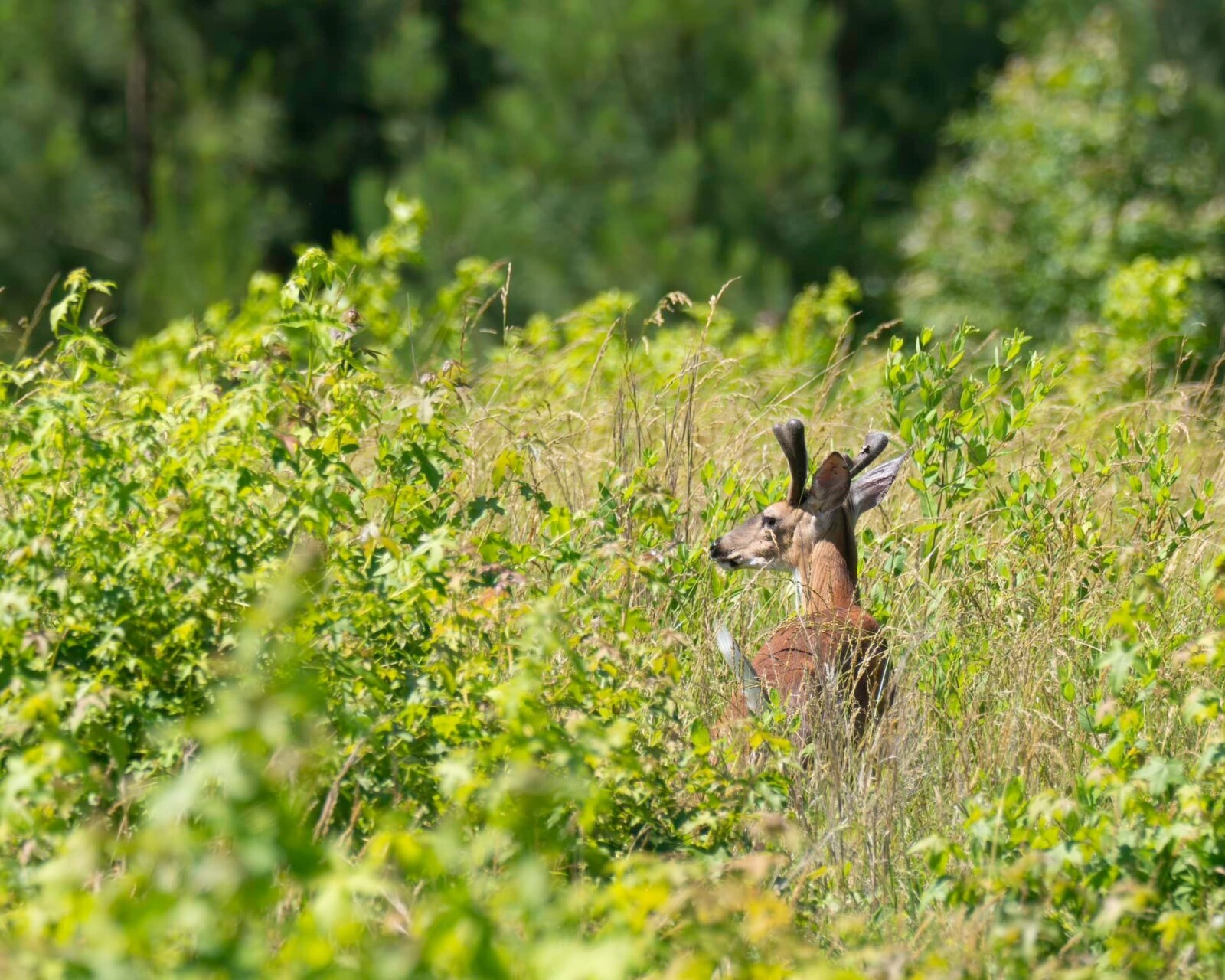
Over 700 acres of the lower Appomattox River corridor are protected from future development, including public parks and private conservation easements. It is also an inherently protected habitat for the many animals that call it home. September 4 is National Wildlife Day, and it’s time to shine a light on the unsung – the animals!
On and beside the river live many reptiles, amphibians, mammals, and birds. These animals rely on the river for their habitat and wellbeing. Without the necessary work to protect the water and the land around it, these animals are always at risk.
National Wildlife Day was established for conservation purposes and amplifying calls for protection of endangered animals. Recently, February 22 was added as another day to highlight this cause. Though FOLAR does not specifically work to improve conditions for endangered animals or conservation efforts as they concern animals, many of our actions do indirectly better the ecosystem.
One said action is removing invasive plants. Sure, this action is great for plant life but it’s also good for animal life. Invasive plants often outcompete the native plants that native animals need to survive. And as most native animals aren’t equipped to consume invasives species, they starve or move on to a more competitive food source.
Another action FOLAR takes is protecting the riverfront corridor. A riverfront corridor is the river itself and the banks and the land around it. FOLAR along with local governments, nonprofits, and landowners are invested in protecting these riparian resources. This riverfront provides and maintains habitat for animals and protects water quality, which protects amphibians and fish.
The last major action done by FOLAR I will cover is the creation and preservation of riparian buffers. Riparian buffers do a lot for the health of the wildlife in and out of the river. They shade the river which keeps the temperature appropriate, they slow floodwater, and trap sediments and pollutants to protect water quality.
We hope that the Appomattox River Trail establishes a feeling of connection to nature. We also hope that you value that feeling enough to protect the animals that you share the trail with. You’re in their domain and it’s important to be conscious of that. Don’t litter, don’t feed the animals, and make sure to stay on the trail.
RESOURCES:
Photo by Larry Tipton