By Elise Neuscheler, Environmental Stewardship Coordinator
It was summer 2016. I was hanging out in Charlottesville’s Downtown Mall, waiting for a friend to arrive. I, like many others with phones and free time then, was playing the new mobile game Pokemon Go while I sat at an outdoor table. A child with his family at a nearby table observed that “EVERYBODY” is playing Pokemon Go, and when his parents mused about the game, the child proclaimed, “Pokemon ARE real, and they are all around us!” The parents were struck silent, surprised by this new Santa Clause reveal dilemma. I really wanted to turn around and say, “Yes, and they are called ‘animals,’” but I left that one to the parents.
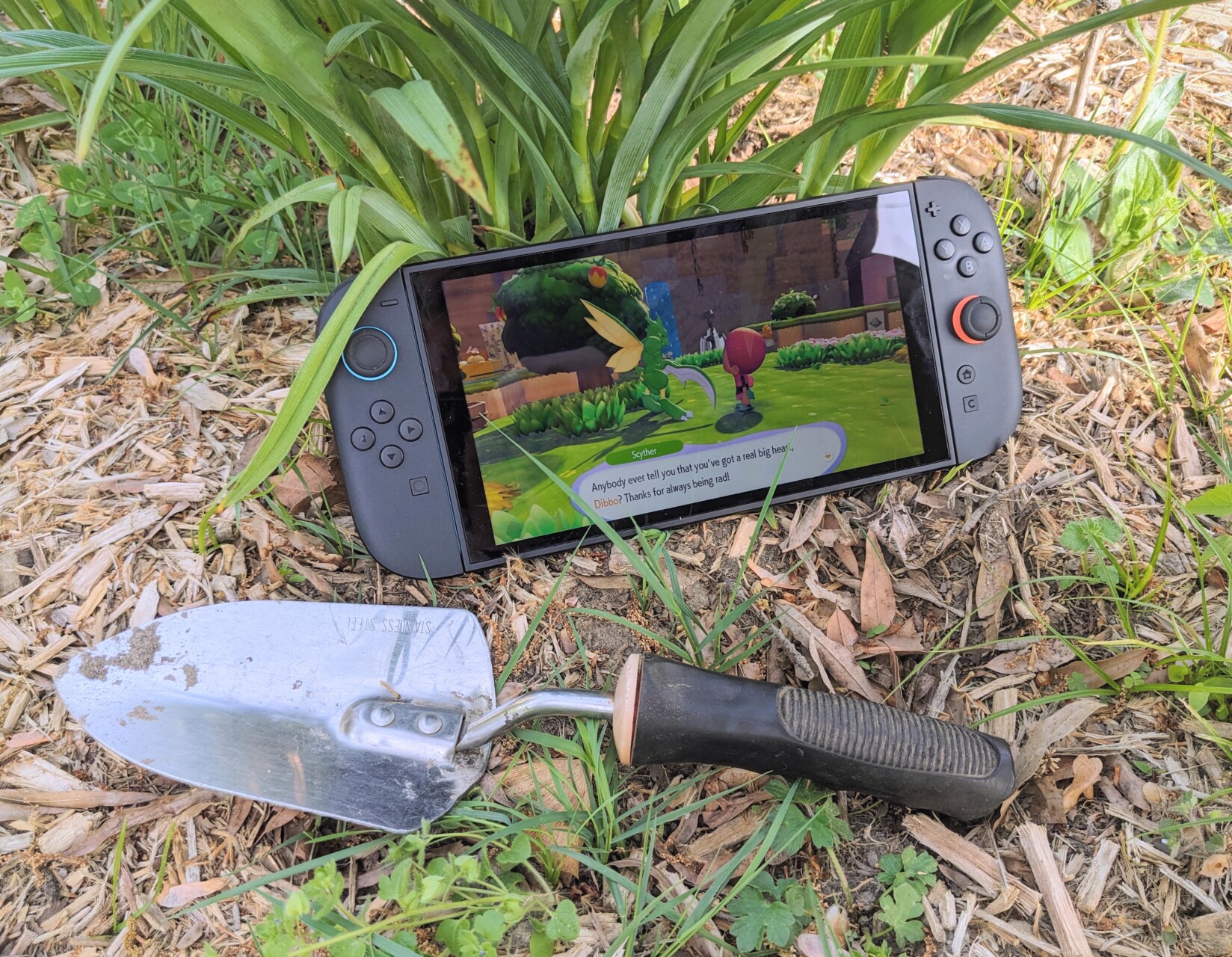
Now it is ten years later, and Nintendo has surprised me again with a game that introduces real-life concepts in a roundabout Pokemon way; a game called Pokopia, where the player is bringing Pokemon (animals?) back into a damaged world, by restoring that pokemon’s preferred habitat. Maybe a certain pokemon likes living in grassy wetlands, or in the shade of trees at high elevations. The player in Pokopia helps those pokemon inhabit their space by building those habitats for them.
Have your ears perked up yet? As a former videogame-loving child (sometimes still a videogame-loving adult), I have often daydreamed about game-ifying habitat restoration; exposing the topic to children through popular media. Pokopia’s success has shown it is a concept that appeals to many. Children are being given the opportunity to expand their vocabularies and conceptual understandings of natural spaces in a fun, digestible way.
For me, this is all about education and engagement in natural resources. The stories we tell, the games we play; they are the building blocks of our culture. I was lucky to have the opportunity to teach English in Japan for a year in 2015. Something that I left with was the general awareness in society there that all natural spaces are in fact influenced by the human hand; we bend our spaces to our benefit, and we can also do so for the benefit of our local wildlife communities. Nature is, to my surprise, “hands-on.”
This game, though through metaphorical phrasing, embraces an endeavor that I am always working towards in outdoor spaces with volunteers; how can we create welcoming habitat here? How can we build and maintain a space where native plants and animals can live?
I may be projecting, but discovering that this is a process that you can reap the rewards of in real life, with real living beings, is a joy that any child or adult would cherish.
Is your little one stuck inside on a rainy day? Maybe a videogame will increase their literacy and understanding of the natural world. But on a sunny day? Bring them to an outdoor learning event, like FOLAR’s Stewardship Saturdays, or visit the Appomattox River Trail, so they get the chance to learn about the “Pokemon” and habitats that really are all around them.